How Digital Tools Are Transforming Transportation: From Reactive to Proactive Decision-Making
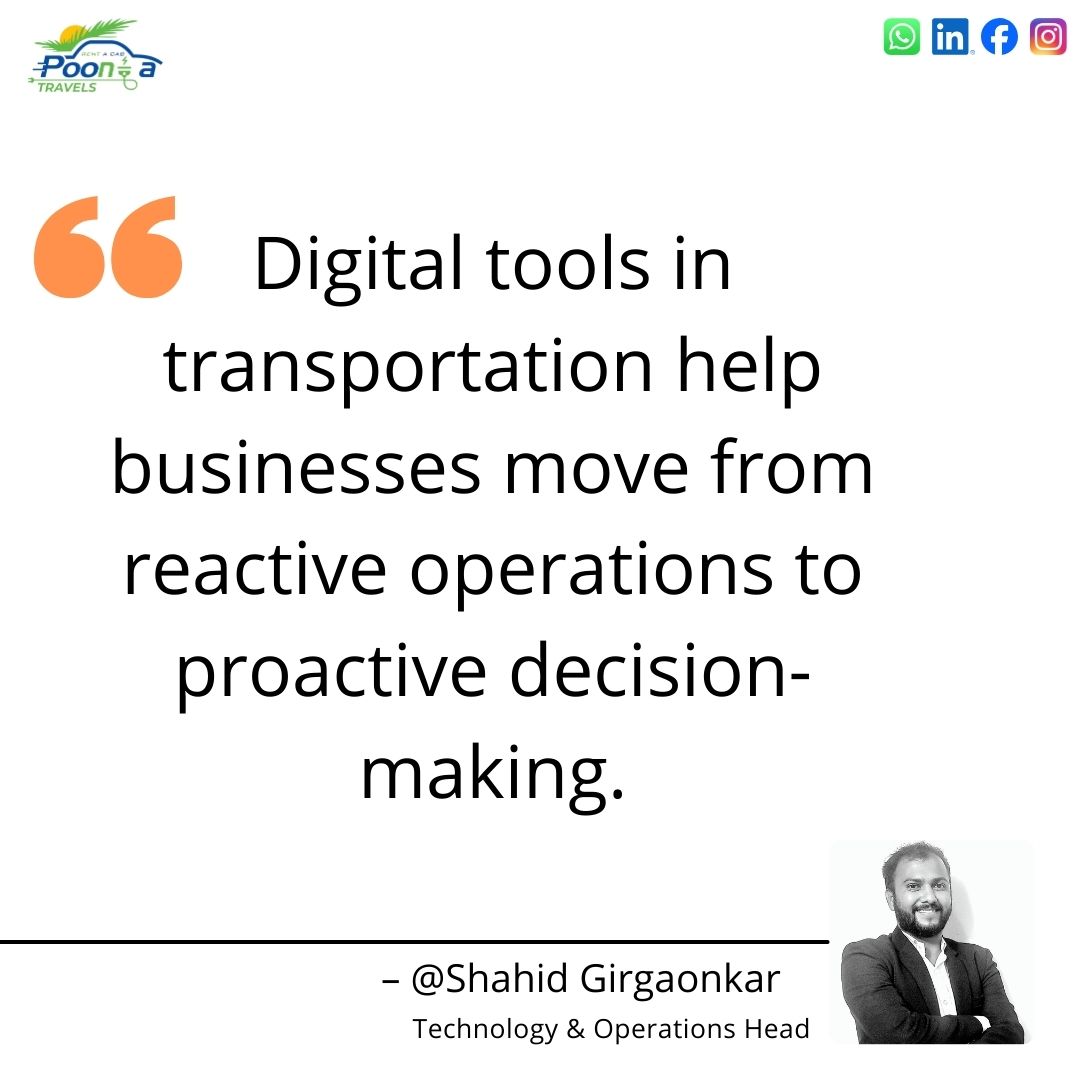
In today’s fast-paced and highly competitive environment, the transportation and mobility sector can no longer afford to operate on guesswork or delayed responses. Traditionally, many transportation businesses relied on manual processes and reactive problem-solving—addressing issues only after delays, breakdowns, or customer complaints occurred. However, the rapid adoption of digital tools is transforming transportation operations, enabling businesses to shift from reactive management to proactive, data-driven decision-making.
The Challenge of Reactive Transportation Operations
Reactive operations are characterized by:
Responding to incidents after they occur
Limited visibility into fleet and driver performance
Manual reporting and delayed data availability
Higher operational costs due to inefficiencies and unplanned disruptions
In such models, decisions are often made based on past incidents rather than real-time insights. This not only impacts service quality and safety but also affects customer satisfaction and business scalability.
The Rise of Digital Tools in Transportation
Digital transformation in transportation is being driven by technologies such as GPS tracking, fleet management systems, IoT devices, AI-based analytics, and mobile applications. These tools provide real-time data, predictive insights, and automation capabilities that fundamentally change how transportation businesses operate.
Key Digital Tools Powering Proactive Decision-Making
1. Real-Time Fleet Tracking
GPS-enabled fleet tracking systems allow operators to monitor vehicle location, speed, route adherence, and idle time in real time. This visibility helps managers:
Identify delays before they impact customers
Optimize routes to reduce fuel consumption
Ensure drivers follow approved routes and schedules
Instead of reacting to late arrivals, businesses can proactively reroute vehicles or inform customers in advance.
2. Predictive Maintenance Systems
IoT sensors and telematics devices continuously monitor vehicle health parameters such as engine performance, brake condition, and fuel efficiency. Predictive maintenance tools analyze this data to forecast potential failures.
Benefits include:
Reduced vehicle breakdowns
Lower maintenance costs
Increased vehicle uptime and safety
Maintenance teams can schedule repairs before a breakdown occurs, preventing service disruptions.
3. Driver Behavior Monitoring
Digital tools can track driver behavior, including harsh braking, overspeeding, sudden acceleration, and fatigue indicators. With these insights, businesses can:
Identify high-risk driving patterns
Conduct targeted driver training and briefings
Improve safety and compliance standards
This proactive approach reduces accidents, improves employee safety, and strengthens brand trust.
4. Data Analytics and Dashboards
Modern transportation platforms consolidate data from multiple sources into easy-to-understand dashboards. Decision-makers gain access to:
Performance trends and KPIs
Cost and fuel analysis
SLA compliance and service-level insights
Instead of relying on static reports, managers can make informed decisions instantly based on live and historical data.
5. Automated Alerts and Notifications
Digital systems can trigger automated alerts for events such as route deviations, overspeeding, vehicle stoppages, or delayed pickups. These alerts enable teams to take immediate corrective action before issues escalate.
For example, an alert about driver fatigue can prompt a supervisor to intervene before safety is compromised.
Business Impact: From Reactive to Proactive
By leveraging digital tools, transportation businesses can move toward a proactive operating model that delivers tangible benefits:
Improved Safety: Early identification of risks reduces accidents and ensures employee and passenger safety.
Operational Efficiency: Optimized routes, reduced downtime, and better asset utilization lower operating costs.
Enhanced Customer Experience: Proactive communication and reliable service improve customer satisfaction.
Regulatory Compliance: Automated records and monitoring help meet compliance and audit requirements.
Scalability: Data-driven systems support growth without proportional increases in manual effort.
The Road Ahead
As technologies like artificial intelligence, machine learning, and predictive analytics continue to evolve, transportation businesses that embrace digital tools will gain a significant competitive advantage. The future of transportation lies in anticipating challenges, not just responding to them.
Organizations that invest in digital transformation today are not only improving their current operations but also building resilient, intelligent transportation ecosystems for tomorrow.