From GPS Tracking to Driver Behavior Monitoring: How Technology Is Reshaping Transportation
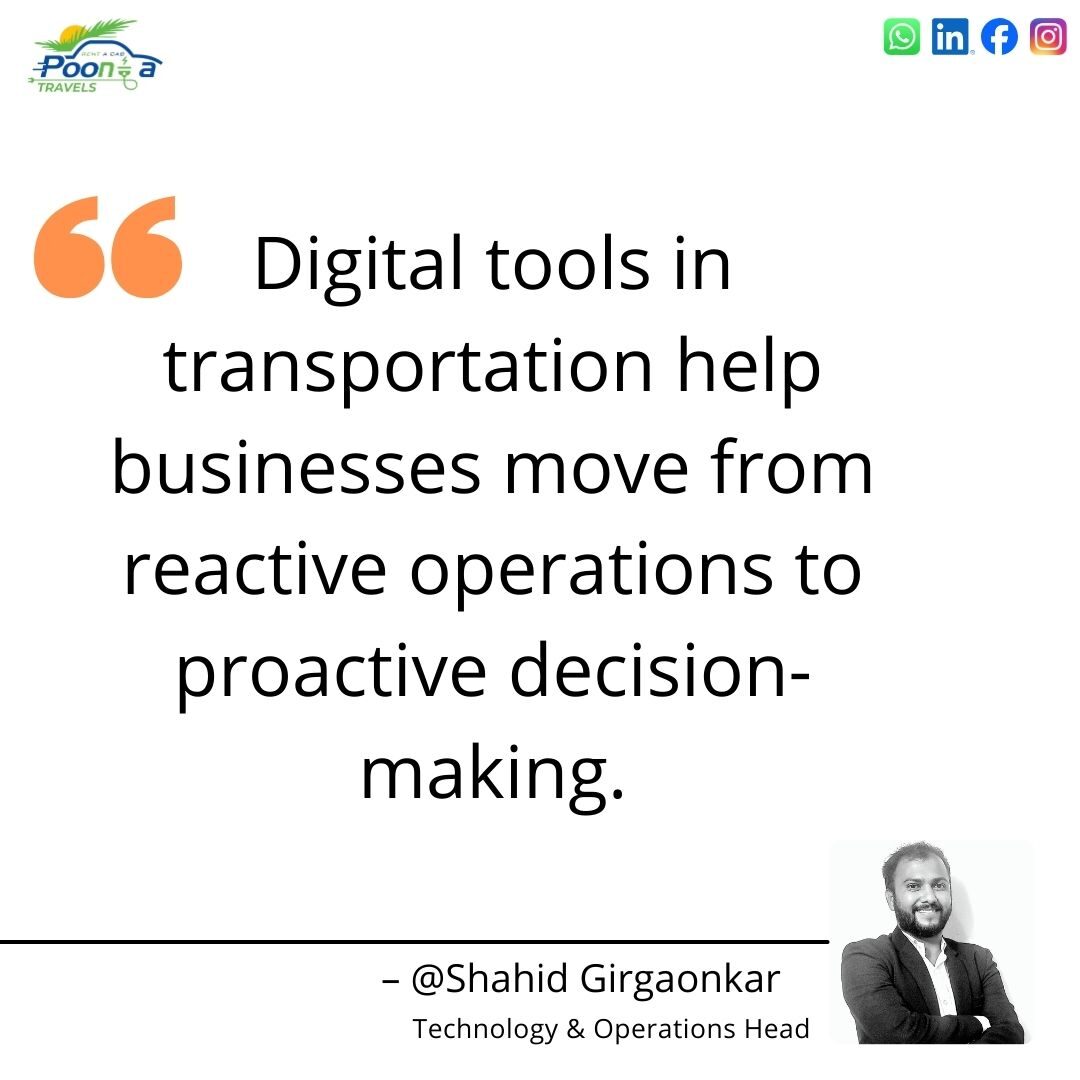
The transportation industry is undergoing a powerful transformation. What was once driven largely by manual supervision and trust is now becoming a highly accountable, transparent, and data-driven ecosystem. At the heart of this shift lies technology—reshaping how fleets operate, how drivers perform, and how safety and service quality are delivered.
1. GPS Tracking: Real-Time Visibility and Control
GPS tracking has become the backbone of modern transportation management. Fleet operators can now monitor vehicles in real time, ensuring:
Accurate route adherence
On-time pickups and drops
Reduced unauthorized stops and route deviations
Faster response during emergencies
For corporate and employee transportation, GPS tracking builds trust and confidence, assuring passengers that their journey is being actively monitored.
2. Driver Behavior Monitoring: Safety Beyond Speed
Technology today goes beyond knowing where a vehicle is—it tells us how it is being driven. Advanced telematics systems track:
Overspeeding
Harsh braking and acceleration
Rash or aggressive driving patterns
Fatigue and idling behavior
By analyzing this data, transport providers can identify risky patterns early and take corrective actions through counselling, retraining, or disciplinary measures. This proactive approach significantly improves employee safety and driver accountability.
3. Dashboards & Analytics: Data-Driven Decisions
Centralized dashboards convert raw data into actionable insights. Fleet managers can:
Review daily trip performance
Track compliance and safety scores
Identify recurring issues at specific routes or time slots
Measure service-level adherence
This level of transparency empowers management to make informed decisions, rather than relying on assumptions or delayed feedback.
4. Digital Compliance & Documentation
Manual paperwork is rapidly being replaced by digital platforms where:
Driver documents are uploaded and verified online
Vehicle fitness, permits, and insurance are tracked
Expiry alerts ensure zero compliance gaps
This not only saves time but also ensures regulatory compliance and audit readiness at all times.
5. Employee Experience & Trust
For employees, technology translates into:
Safer journeys
Predictable travel schedules
Reduced complaints and faster resolution
Higher confidence during night shifts, especially for female employees
Transparent systems ensure that concerns are validated through data, leading to fair investigations and timely actions.
6. The Road Ahead: Smarter, Safer, Stronger
As AI, IoT, and automation continue to evolve, transportation will become even more intelligent—predicting risks before they occur and optimizing operations in real time. Companies that embrace these technologies today are not just improving efficiency; they are setting new benchmarks for safety, accountability, and service excellence.
Conclusion
Technology is no longer an option in transportation—it is a necessity. From GPS tracking to driver behavior monitoring, digital solutions are transforming the industry into one that is transparent, responsible, and employee-centric. The future of transportation belongs to those who leverage technology not just to move vehicles, but to move people safely and confidently.